SHAWANO Lake fishing field guide
← All species

Common, and the healthiest panfish population in the system.

Black crappie

Pomoxis nigromaculatus

The DNR aged a 12-inch female at 19 years old. Crappies here live a long time and grow slowly past 10 inches, so a 12-inch fish is a genuinely old animal.

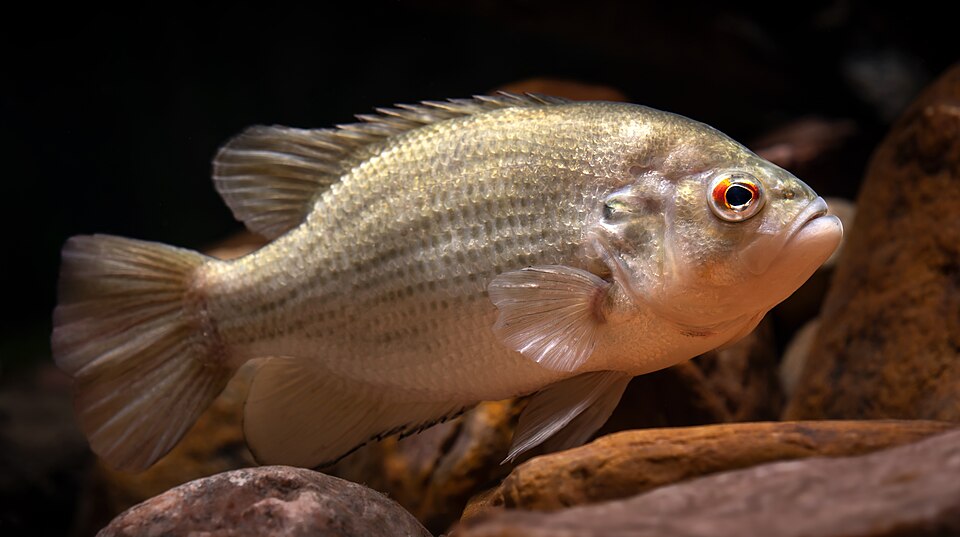
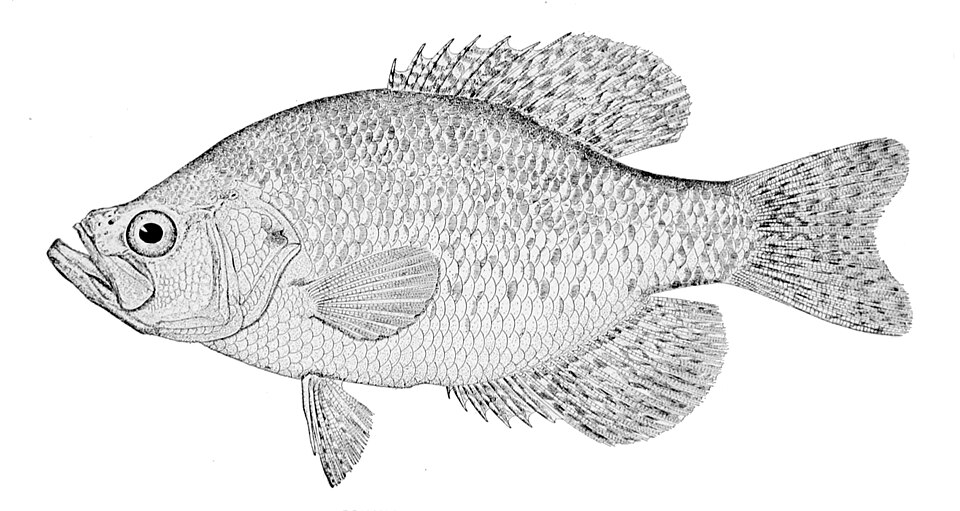
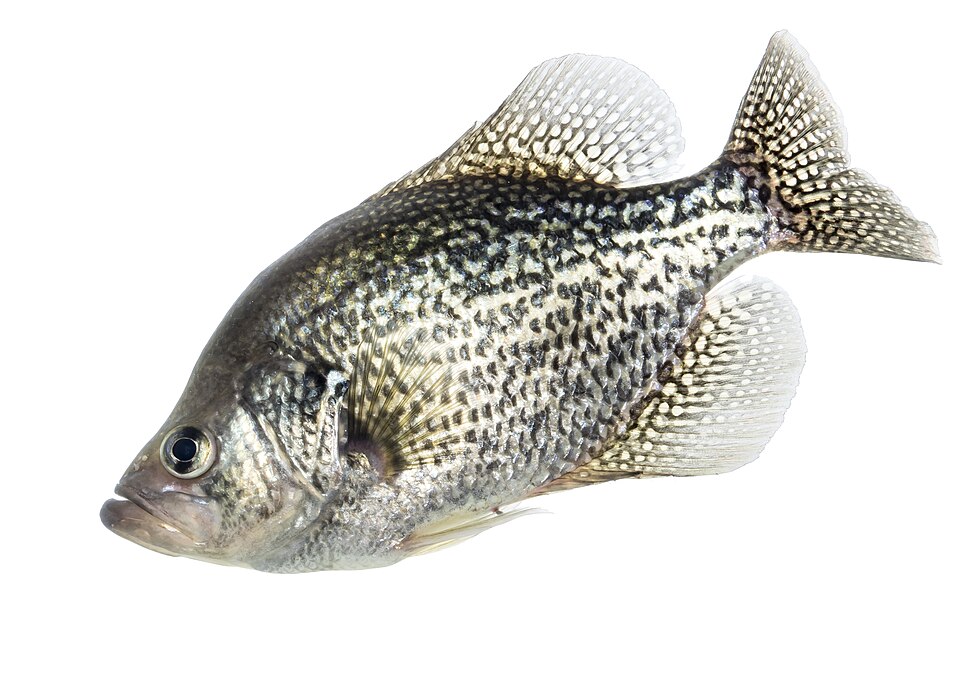
Illustration of a black crappie, Pomoxis nigromaculatus.

What the DNR measured

Fish measured, 2023 (main lake, fyke net)
147
Length range (main lake)
4.3 – 11.5 inches
Longest in the system
13.1 inches, in Wolf River Pond
Netting catch rate
12.1 per net night, 77th percentile statewide
Electrofishing catch rate
6.7 per mile, 53rd percentile
Fish 8 inches and over
5.3 per mile, 69th percentile
Growth
An 8-inch female is about 5.5 years old. Moderate.

What that means on the water

The DNR calls this population healthy and expects an excellent fishery for the next several years, because a strong year class of 6 to 8 inch fish is coming up behind the keepers. Growth slows hard around 10 to 11 inches, and the report names angler harvest as a likely reason fish over 12 inches are rare.

Where to find it

  • Look for them suspended at 8 to 14 feet beside submerged weeds, summer and fall.
  • Loon Lake and Washington Lake, which hold the highest crappie densities the DNR measured.
  • Work the deep basin once the ice is on. It is the only deep water they have.
  • Wolf River Pond, which produced the longest crappie in the survey at 13.1 inches.

How to catch it

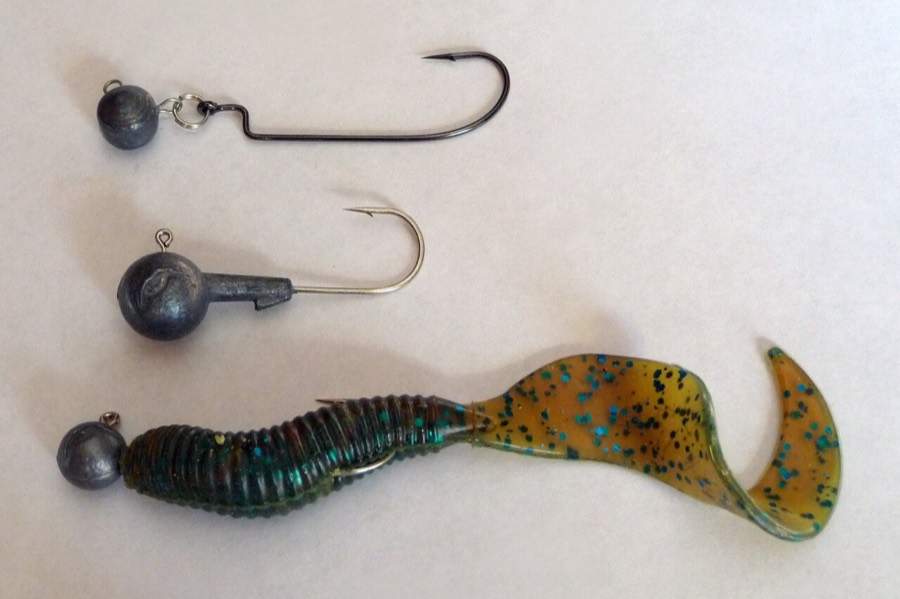
  • Small jig under a slip float, tipped with a crappie minnow.
  • Hair jigs and plastics counted down to the suspension depth.
  • On ice, 4 mm tungsten jigs and 1/32 oz jigging spoons.
  • Fish the last hour of light. Crappie feed up in low light.

Spots on this lake for black crappie

7 of the 10 named areas hold black crappie. Tap a marker for the reason.

SpotWhy it holds them
Cecil Bay and the east taperThe lake narrows to under a mile from north to south at its east end and shallows out. Heavy vegetation, warm water, and the Cecil launch right on it. This is the best largemouth and panfish water on the east half.
The channel to Loon LakeA quarter mile of moving water joins the north shore of Shawano Lake to the south tip of Loon Lake. Current concentrates bait, fish move through it in both directions, and the DNR PIT tag arrays went in exactly here in 2024 to measure that movement. Anglers call this stretch the Narrows.
The west basinThe widest and deepest part of the lake, running just under 3 miles north to south. Only 6.16% of Shawano Lake is deeper than 20 feet, and most of that sits here. Winter crappie hold in the basin and summer walleye slide to the edge of it.
Shawano Lake OutletThe channel that drains the lake into the Wolf River, and the best-scoring water in the whole system. Largemouth size structure of 73 against 49 in the main lake, and the longest yellow perch the DNR measured at 12.6 inches. Spring runs of walleye, pike and musky pass through it.
Wolf River PondThe slack water above the Shawano dam. It produced the longest crappie in the 2023 survey at 13.1 inches, and its bluegill reach 7 inches roughly two and a half years faster than the fish in the main lake.
Loon LakeThe connected basin to the north. The DNR netted 459 black crappie here, more than any other water in the system, though the average fish runs small and growth is the slowest of the five waters.
Washington LakeSmall, weedy and connected, northeast of the main lake. Crappie density hits the 84th percentile statewide and perch the 88th, but the panfish size structure is the weakest of the five waters. Treat it as a numbers stop.

All 10 spots and the season-by-season pattern

Records and rules

Season on Shawano Lake
Open all year. Ice fishing is a local pastime for exactly this fish.
Limit
Counted as panfish. No minimum length, 10 per day.
Wisconsin state record
4 lbs 8 oz, 19.75 in
Where the record came from
Gile Flowage, Iron County, 1967-08-12
Registers as a trophy at
15 inches, DNR live-release standard